
The RTS Link Fare Debate Is Asking the Wrong Question
The online debate about RTS Link fares is treating the opening price as the permanent price. The history of every major transit system suggests it is not — and the case for why Johor commuters should expect better is stronger than the critics realise.

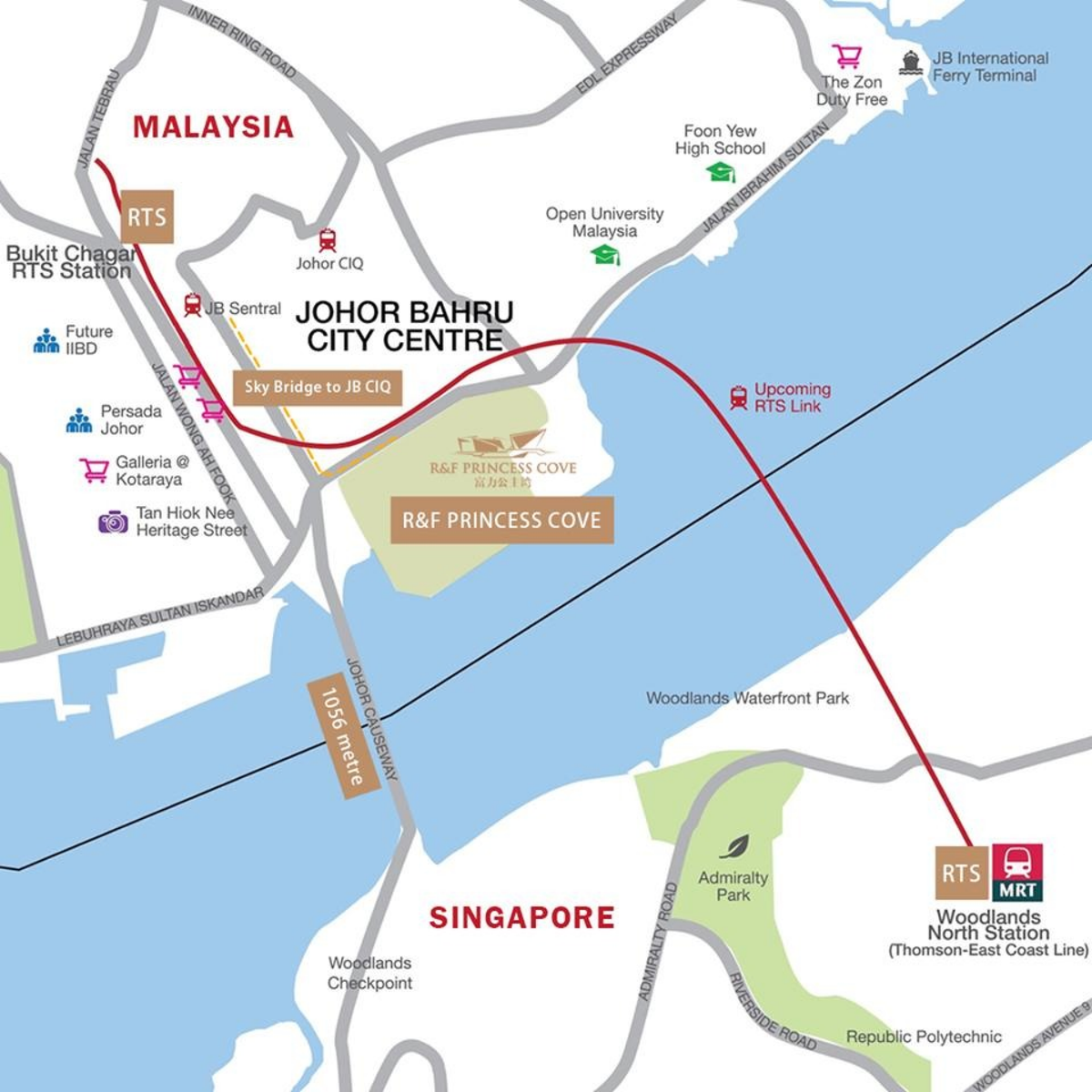
Every week since the RTS Link fare estimates were revealed, the same complaint circulates online: RM15.50 to RM21.70 per trip is too expensive. If you commute daily, that is roughly RM800 to RM1,000 a month. The criticism is understandable. It is also missing the point.
The RTS Link fare debate is not really about affordability. It is about whether people understand what is actually being built — and why the opening numbers are not the final numbers.
What the Numbers Actually Say
The proposed one-way fare of RM15.50 to RM21.70 (S$5 to S$7) has not been finalised. Transport Minister Anthony Loke confirmed in February 2026 that the official fare structure will only be announced in the second half of 2026, after RTS Operations — the joint venture between Malaysia's Prasarana and Singapore's SMRT — submits its proposed rates to both governments for approval. Nothing is locked in.
What is already locked in: the comparison works in the RTS Link's favour. Vehicle drivers currently pay RM20 for a Causeway crossing. Singapore's Vehicle Entry Permit fee for cars rises to S$50 per day from January 2027 — that is RM154 per crossing, one way. Against that backdrop, a RM15 to RM21 train fare is not expensive. It is structurally cheaper than driving, before you even count the time lost to congestion.
The Logic of a High Opening Fare
When a new transit system opens with tens of thousands of daily users arriving simultaneously, the first operational challenge is not revenue — it is system stability. The RTS Link is designed to carry 10,000 passengers per hour per direction at full capacity. At launch, projected daily ridership is 40,000. Long-term projections put that figure at 140,000 — roughly 30 to 40 percent of current Causeway traffic.
That is not a gradual ramp-up. That is a potential shock to a system that has never run in live conditions at scale. Immigration clearance through 100 AI-powered e-gates, baggage scanning across 18 scanners, single-clearance processing through the Bukit Chagar ICQ — all of this needs to be stress-tested with real passengers before the system handles its eventual full load.
A higher fare at launch is one of the most effective tools available to manage this. It does not exclude people permanently. It creates a natural filtering mechanism during the period when the system most needs controlled, manageable demand. Engineers call this commissioning. Everyone else calls it the first few months.
The Causeway Is Already Failing
The Johor–Singapore Causeway handles approximately 300,000 to 400,000 crossings daily — one of the busiest land border crossings in the world. Peak hours can mean queues of one to two hours just to clear immigration. For the roughly 300,000 Malaysians working in Singapore, this is not inconvenience. It is a daily tax on time that no fare structure currently compensates them for.
A five-minute crossing with pre-cleared immigration changes the fundamental economics of living in Johor and working in Singapore. Even at RM21.70 per trip, the commuter who currently spends 90 minutes in traffic each way and RM450 per month on bus fares is looking at a net gain in time that money cannot easily price.
The Monthly Pass Question
Minister Loke has stated that the Malaysian government is actively exploring subsidised monthly passes for Malaysian commuters. MCA president Datuk Seri Wee Ka Siong has proposed a RM300 monthly pass specifically. The Malaysian government has also been clear that it will not subsidise Singaporean commuters — only its own citizens.
This is where TMJ's well-documented commitment to Johor's own people becomes relevant. The Bangsa Johor principle — that Johor's residents come first — has historically translated into tangible policy outcomes, from JDT's stadium investment to broader state-level welfare provisions. A subsidised pass structure for Johor state residents specifically would be entirely consistent with that pattern, and the political will to pursue it exists at the state level.
The federal government sets the fare. The state government determines whether its own residents get help paying it.
What Happens After the System Stabilises
No transit system in history has launched at its optimal fare structure and kept it unchanged. Hong Kong's MTR, Singapore's own MRT, Tokyo's Yamanote Line — all went through price discovery periods where fares were adjusted based on actual ridership, operational costs, and political pressure. The RTS Link will be no different.
Once the system has demonstrated its capacity, processed its first few million journeys, and developed a clear picture of peak versus off-peak demand, the case for differentiated pricing, monthly passes, and targeted subsidies becomes much easier to make to regulators on both sides of the strait. The opening fare is a starting point, not a destination.
The Darker Side of the Current Situation
The congestion that frustrates commuters today is not a natural condition. It is the result of an infrastructure gap that both governments have spent years trying to close. The RTS Link is the close.
When the system opens — currently targeted for January 2027 — it will not eliminate Causeway traffic overnight. It will begin drawing demand away from the road crossing in exactly the way that new transit infrastructure always does: gradually, then suddenly, as habits form around the faster and more reliable option.
The hours lost in daily Causeway queues represent a very large number of hours that Johor's workforce is not working, resting, spending time with families, or building the economic activity that the JS-SEZ is designed to generate. Every year the RTS Link is delayed, that cost continues. Every month of operational ramp-up that the system needs is a month closer to the point where it is not.
The Question Worth Asking
The online debate about RTS fares is, at its core, a debate about whether people trust the institutions making these decisions to eventually get the price right. That is a reasonable thing to be uncertain about.
What is less reasonable is treating the opening fare as the permanent fare. Transit infrastructure at this scale, connecting two cities with the economic relationship that Johor and Singapore have, does not get built and then abandoned to commercial indifference. The incentives — on both sides of the strait — run entirely in the direction of making this system work for the people who use it.
The current congestion is not a permanent condition. It is a problem that has a physical solution, and the physical solution is almost finished.